How to Handle State Cannabis Taxes for Compliance
More than 40 American states now tax cannabis, but patchwork regulations make compliance a real challenge for business owners. Every American cannabis operator faces complex, state-specific rules that can influence profits and risk costly penalties if misunderstood. This practical guide breaks down the essentials for handling your state cannabis tax obligations, offering simple steps and expert insights so you can avoid pitfalls and manage your finances with confidence.
Quick Summary
| Key Insight | Explanation |
|---|---|
| 1. Assess Tax Obligations Thoroughly | Research state-specific cannabis tax rates and structures to ensure compliance and avoid penalties. |
| 2. Implement Comprehensive Recordkeeping | Maintain accurate and detailed financial records to meet state and federal compliance requirements effectively. |
| 3. Calculate Taxes Accurately | Break down tax liabilities into categories and utilize specialist software to ensure precise calculations based on state regulations. |
| 4. Adhere to Filing Deadlines | Track and submit cannabis tax forms in a timely manner to avoid late fees and other penalties across jurisdictions. |
| 5. Verify Payments Regularly | Regularly review tax payment confirmations and maintain an updated compliance tracking system to manage ongoing regulatory obligations. |
Step 1: Assess State Cannabis Tax Obligations
Handling state cannabis tax obligations requires a strategic and systematic approach. The process involves understanding complex tax structures across different states, which can significantly impact your business’s financial compliance and bottom line.
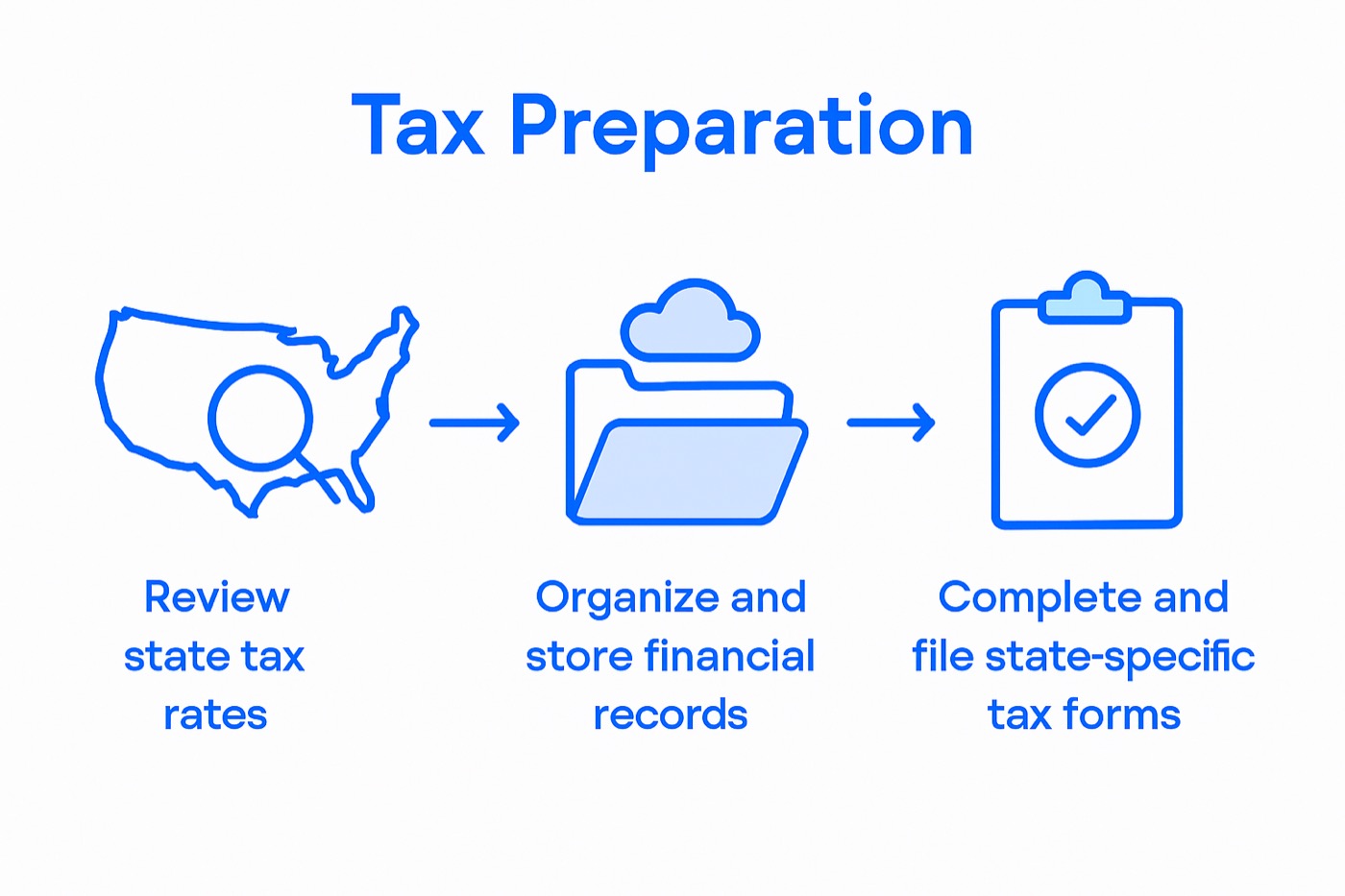
To effectively assess your state cannabis tax obligations, start by examining tax rates specific to your operational states. Each state implements unique tax frameworks for cannabis businesses, with rates ranging from excise taxes to sales and local taxes. The Tax Foundation’s interactive map provides comprehensive data showing recreational cannabis tax rates across the United States, which can serve as a critical reference point for your research.
Pay special attention to nuanced tax requirements that vary by jurisdiction. Some states impose additional local taxes on top of state rates, while others have complex tiered tax structures based on product type or sales volume. Consulting with a cannabis tax specialist who understands these intricate regulatory landscapes can help you navigate potential compliance pitfalls and avoid costly mistakes.
Proactive research and detailed record keeping are your best tools for managing state cannabis tax obligations effectively. Develop a systematic tracking method that captures all relevant tax information, including rate changes, filing deadlines, and specific reporting requirements for each state where you operate.
Step 2: Organize Required Financial Records
Managing financial records is a critical component of cannabis business compliance, requiring systematic documentation and strategic record keeping to protect your business from potential tax and regulatory challenges.
Start by implementing a comprehensive recordkeeping system that meets both state and federal guidelines. The IRS provides clear guidelines for businesses, emphasizing the importance of maintaining accurate financial documentation. Your records should include detailed transaction logs, sales receipts, expense reports, tax payment documentation, inventory tracking, and banking statements.
Prioritize digital record management with secure cloud storage and backup systems. Create separate digital folders for each category of financial documentation, ensuring easy retrieval during audits or tax filing periods. The U.S. Small Business Administration recommends maintaining records for at least three to seven years, depending on your specific state regulations and potential audit requirements.
Establish a consistent monthly review process to verify record accuracy and completeness. Consider using specialized accounting software designed for cannabis businesses that can help automate tracking and maintain compliance with complex regulatory frameworks. Regular reconciliation of your financial records will help you identify potential discrepancies early and maintain a clear financial trail for regulatory scrutiny.
Step 3: Calculate State Cannabis Tax Liabilities
Calculating state cannabis tax liabilities requires meticulous attention to detail and a comprehensive understanding of complex tax structures that vary significantly across different jurisdictions.

To accurately determine your tax obligations, review cannabis business tax filings that outline specific state requirements. The Tax Foundation’s research provides critical insights into the intricate tax structures cannabis businesses must navigate. Your calculation process should include breaking down tax liabilities into distinct categories such as excise taxes, sales taxes, cultivation taxes, and potential local municipal taxes.
Each state employs unique tax calculation methodologies. Some states assess taxes based on gross sales volume, while others implement tiered tax rates depending on product type or potency. The Marijuana Policy Project highlights the complexity of these tax structures, emphasizing the need for precise record keeping and detailed financial documentation. Develop a systematic approach that accounts for potential rate fluctuations and includes buffer margins to accommodate unexpected tax adjustments.
Consider investing in specialized cannabis accounting software that can automate complex tax calculations and help you maintain compliance across multiple state jurisdictions. Regular reconciliation and professional tax consultation will ensure you remain accurate and up to date with evolving state tax regulations.
Step 4: File and Remit State Cannabis Taxes
Filing and remitting state cannabis taxes demands precision, timeliness, and a comprehensive understanding of each state’s unique regulatory requirements to maintain compliance and avoid potential penalties.
Begin by reviewing essential cannabis tax forms that are specific to your operational states. California’s Department of Tax and Fee Administration provides a comprehensive framework for understanding tax filing procedures, highlighting the importance of accurate documentation and timely submissions. Prepare all necessary documentation including sales records, tax calculations, and supporting financial statements before initiating the filing process.
Understand the specific filing deadlines and payment methods for each state where you conduct business. Montana’s Department of Revenue offers insights into the nuanced requirements for cannabis tax remittance, emphasizing that different states may have varying submission protocols. Some states require monthly filings, while others mandate quarterly or annual submissions. Develop a tracking system that alerts you to upcoming deadlines and ensures you submit all required documentation well in advance.
Implement a robust digital filing system that allows for secure electronic submissions and maintains comprehensive records of all tax filings. Consider consulting with a cannabis tax specialist who can help you navigate the complex landscape of state specific tax regulations and ensure you meet all compliance requirements. Proactive preparation and meticulous attention to detail will help you successfully manage your state cannabis tax obligations.
Step 5: Verify Payment and Maintain Compliance
Verifying cannabis tax payments and maintaining ongoing compliance represents the critical final stage of your state tax management strategy, ensuring your business remains in good standing with regulatory authorities.
Streamline your dispensary bookkeeping to create a systematic approach for tracking tax payments and compliance requirements. The U.S. Small Business Administration provides comprehensive guidance on maintaining legal compliance, emphasizing the importance of thorough documentation and consistent verification processes.
Develop a comprehensive compliance tracking system that includes regular internal audits, payment confirmations, and documentation preservation. This system should automatically flag upcoming deadlines, verify successful tax remittances, and maintain a digital archive of all payment records and related correspondence. Pay special attention to discrepancies or potential compliance gaps that could emerge between your internal records and official state tax authority communications.
Create a proactive compliance calendar that tracks not just tax payment deadlines but also other regulatory requirements such as license renewals, reporting obligations, and potential changes in state cannabis tax regulations. Schedule quarterly review sessions to assess your compliance status, reconcile financial records, and ensure your business remains ahead of potential regulatory challenges. By maintaining meticulous records and staying vigilant, you can protect your cannabis business from potential penalties and maintain a reputation for financial integrity.
Frequently Asked Questions
How can I assess my state cannabis tax obligations?
To assess your state cannabis tax obligations, start by examining tax rates specific to each state where you operate. Develop a systematic tracking method to capture all relevant tax information, including rate changes and filing deadlines.
What financial records do I need to organize for cannabis tax compliance?
You need to implement a comprehensive recordkeeping system that includes transaction logs, sales receipts, and expense reports. Maintain these records digitally, and review them monthly to ensure accuracy and completeness.
How do I calculate my state cannabis tax liabilities?
To calculate your state cannabis tax liabilities, break down your obligations into categories such as excise taxes and sales taxes. Review your financial records regularly to account for any changes in tax rates or product classifications, ensuring you have accurate calculations.
What steps should I take to file and remit state cannabis taxes?
Begin by reviewing essential cannabis tax forms and ensure you have all necessary documentation ready for filing. Keep track of specific filing deadlines for each state and submit all required documents electronically to avoid potential penalties.
How can I verify my cannabis tax payments and maintain compliance?
Streamline your compliance process by developing a system for tracking tax payments and conducting regular internal audits. Create a proactive compliance calendar to monitor upcoming obligations, ensuring your records are always up to date and accurate.
Recommended
- What Is Tax Compliance for Cannabis Businesses – Cannabis Business Minds
- Why Tax Compliance Matters: Complete Cannabis Guide – Cannabis Business Minds
- Cannabis Business Tax Filings Explained: U.S. Compliance Guide – Cannabis Business Minds
- 7 Essential Cannabis Tax Forms Every Business Needs – Cannabis Business Minds
- Articles | NUR Legal
This article is general education, not tax, legal or accounting advice. Cannabis rules change quickly; confirm how they apply to you with a qualified cannabis CPA or attorney.