What Is Inventory Tracking Cannabis? Complete Overview
2026 update: what rescheduling changed for 280E (reviewed October 2026)
Effective April 22, 2026, a DOJ/DEA final order moved marijuana covered by a qualifying state medical license (and FDA-approved marijuana drugs) to Schedule III. Section 280E only applies to Schedule I and II substances, so state-licensed medical cannabis activity is generally no longer subject to 280E going forward. Adult-use cannabis remains in Schedule I and fully subject to 280E. The DEA proceeding to reschedule all marijuana was temporarily stayed in October 2026, and Treasury/IRS guidance on transition years and mixed medical/adult-use businesses is still pending.
This article was written before the order took effect. Check where your business stands in about a minute.
Over 90 percent of cannabis businesses report inventory tracking as one of their top regulatory concerns. With strict rules and constant oversight, even small mistakes can lead to serious consequences like hefty fines or loss of license. For companies operating in this space, understanding how to accurately track every cannabis product is not just about organization—it is vital for staying compliant, protecting consumer safety, and keeping your operation running smoothly.
Key Takeaways
| Point | Details |
|---|---|
| Comprehensive Tracking Systems | Effective inventory tracking in the cannabis industry requires sophisticated electronic systems that provide real-time insights and comply with diverse regulatory standards. |
| Regulatory Compliance Focus | Maintaining meticulous documentation and adhering to state-specific regulations are essential to avoid legal complications and ensure operational legitimacy. |
| Financial Management Challenges | Cannabis businesses face unique financial hurdles such as restricted banking services and stringent tax regulations, necessitating proactive and strategic financial practices. |
| Best Practices for Success | A holistic approach that integrates advanced technology, ongoing staff training, and adaptive compliance frameworks is crucial for overcoming inventory tracking challenges. |
Defining Inventory Tracking in Cannabis
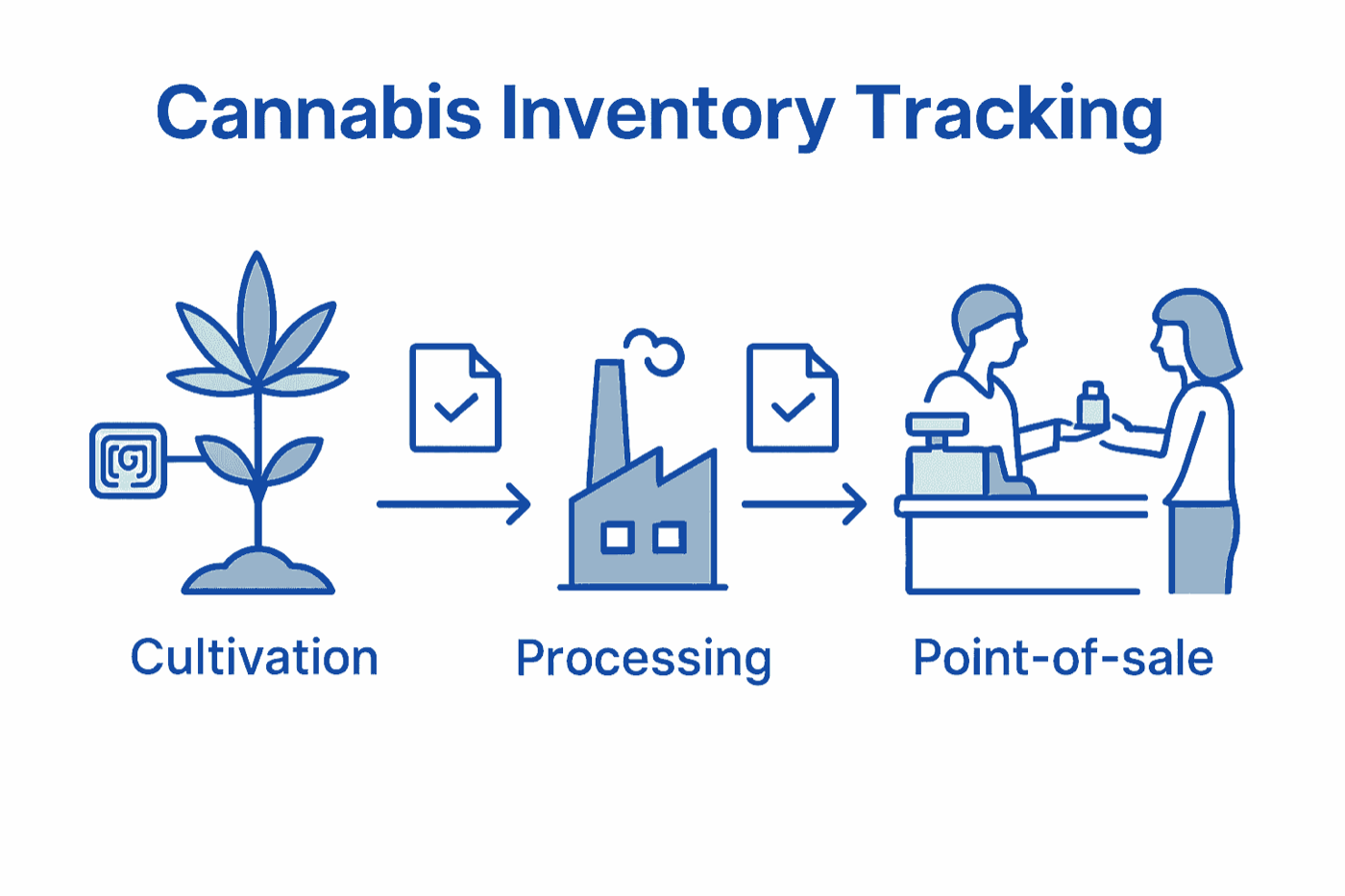
Inventory tracking in the cannabis industry is a systematic process of monitoring, documenting, and managing cannabis product quantities and movements throughout the entire supply chain. According to the New York State Office of Cannabis Management, this involves maintaining an electronic traceability system that enables tracking of cannabis products from their original source through every stage of production and sale.
The primary goal of cannabis inventory tracking is comprehensive product monitoring and regulatory compliance. Cultivators, processors, and retailers must develop robust identification systems that can trace each product back to its origin. This approach serves multiple critical purposes:
- Preventing unauthorized product diversion
- Ensuring product quality and safety
- Supporting swift recall processes if needed
- Maintaining precise records for regulatory reporting
At its core, cannabis inventory tracking goes beyond simple stock management. It represents a complex, technology-driven approach that integrates detailed record-keeping with state-mandated tracking requirements. New York’s cannabis regulations exemplify this by requiring licensees to document every movement and transformation of cannabis products, creating a transparent and accountable supply chain that protects both businesses and consumers.
Successful inventory tracking requires sophisticated electronic systems capable of recording granular details about product volume, location, batch numbers, and transfer histories. These systems must be adaptable, providing real-time insights while meeting strict regulatory standards that vary across different jurisdictions. For cannabis businesses, implementing a comprehensive inventory tracking strategy isn’t just good practice—it’s an essential component of maintaining operational legitimacy and avoiding potential legal complications.
Methods and Technologies for Cannabis Tracking
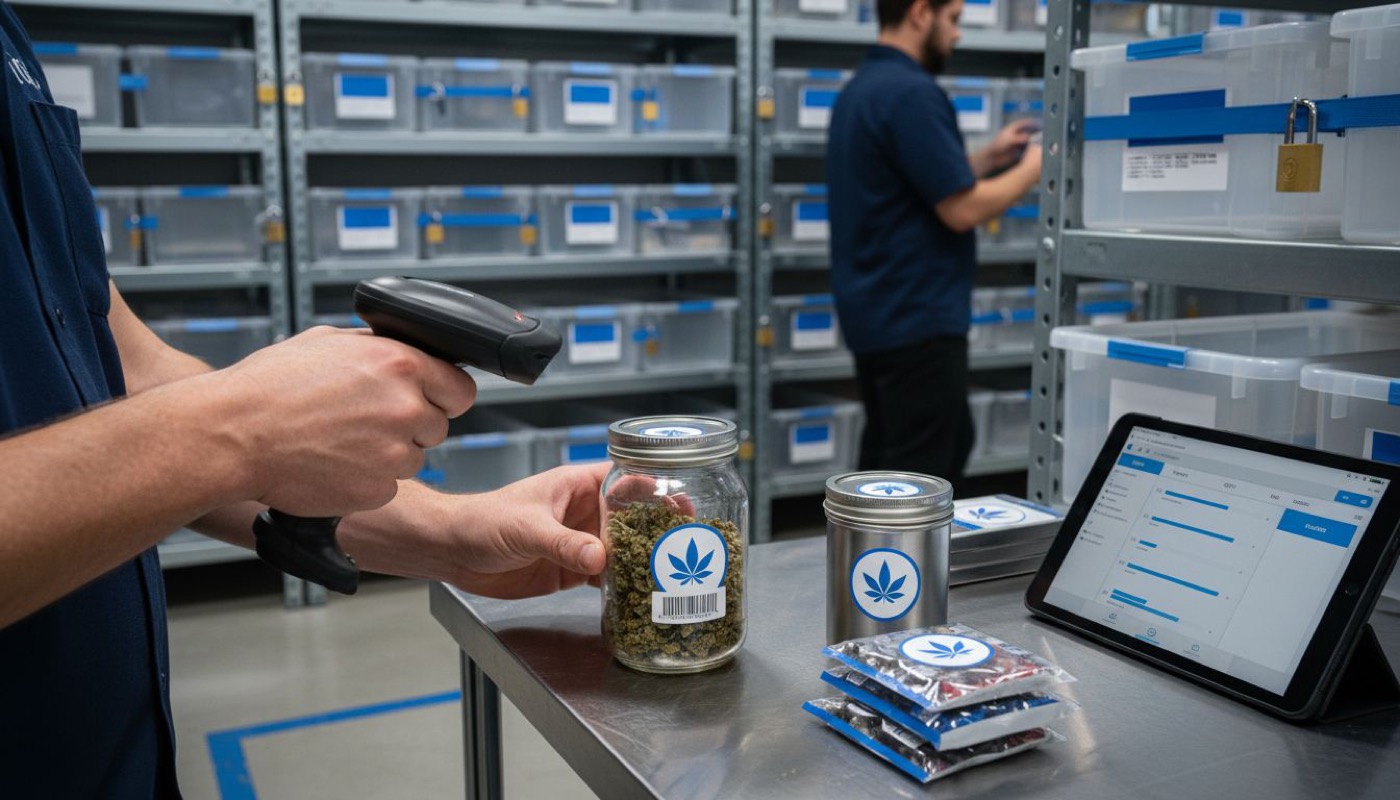
The cannabis industry relies on sophisticated electronic tracking technologies to ensure comprehensive inventory management and regulatory compliance. According to the New York State Office of Cannabis Management, licensees must utilize real-time electronic inventory tracking systems capable of integrating with state-mandated seed-to-sale solutions like Biotrack via API.
These advanced tracking technologies typically incorporate several critical components:
- Real-time API integration with state monitoring systems
- Comprehensive product movement documentation
- Detailed record-keeping for all inventory stages
- Secure digital tracking of batch numbers and product types
- Automated reporting capabilities
The core technological infrastructure for cannabis tracking involves multiple interconnected systems. Why Reconcile Cannabis Inventory becomes crucial when understanding these complex tracking mechanisms. Modern solutions often include specialized software platforms that can capture granular details about product volume, location, transfer histories, and regulatory compliance requirements.
Cannabis tracking technologies must be extraordinarily precise, supporting end-to-end visibility from cultivation through final sale. These systems go beyond simple inventory management, functioning as critical compliance tools that prevent product diversion, support quality assurance, and provide transparent documentation for regulatory agencies.
By leveraging advanced digital tracking technologies, cannabis businesses can maintain meticulous records while ensuring they meet stringent state and local regulatory standards.
Legal Requirements and Compliance Frameworks
Cannabis inventory tracking represents a complex legal landscape with intricate regulatory requirements that vary significantly across jurisdictions. According to Reuters, the cannabis industry faces substantial challenges due to fragmented regulatory standards, particularly in areas like product testing, licensing, and compliance monitoring.
The legal compliance framework for cannabis businesses typically involves multiple critical components:
- Comprehensive documentation of product movements
- Strict adherence to state-specific tracking regulations
- Detailed record-keeping for all inventory transactions
- Transparent reporting mechanisms
- Regular internal and external audits
Navigating these complex regulatory environments requires businesses to implement robust compliance strategies. Dispensary Licensing Explained becomes crucial in understanding the nuanced legal landscape that governs cannabis inventory management. The emerging legislative frameworks, such as the proposed SAFE Banking Act, aim to provide additional clarity and support for cannabis businesses by addressing financial service challenges and enhancing overall industry transparency.
Successful legal compliance in cannabis inventory tracking demands a proactive approach. Businesses must continuously adapt to evolving regulations, invest in sophisticated tracking technologies, and maintain meticulous documentation. This approach not only ensures regulatory adherence but also protects businesses from potential legal risks, supports consumer safety, and builds credibility within an increasingly regulated industry ecosystem.
Financial and Tax Implications for Cannabis Businesses
The cannabis industry faces unique financial challenges that significantly impact business operations and tax strategies. According to the SAFE Banking Act, cannabis businesses continue to struggle with fundamental financial service access due to federal classification, creating complex regulatory and banking obstacles that directly influence inventory tracking and financial management.
Key financial considerations for cannabis businesses include:
- Restricted banking and payment processing options
- Complex tax reporting requirements
- Limited access to traditional financial services
- Higher operational financial risk
- Increased compliance-related expenses
Cannabis Business Tax Filings Explained becomes critical in understanding the intricate tax landscape that cannabis businesses must navigate. The industry must contend with stringent IRS regulations, particularly Section 280E, which prohibits businesses from deducting ordinary business expenses, creating substantial financial pressure on inventory management and operational costs.
Successful financial management in the cannabis sector requires a proactive, strategic approach. Businesses must develop robust financial tracking systems, maintain meticulous records, and work closely with specialized cannabis accountants who understand the unique regulatory environment. By implementing comprehensive financial strategies that account for the industry’s complex regulatory framework, cannabis businesses can minimize tax liabilities, ensure compliance, and create sustainable financial models that support long-term growth and operational stability.
Common Challenges and Best Practice Solutions
Inventory tracking in the cannabis industry presents a complex landscape of challenges that require strategic and proactive management approaches. Cannabis businesses must navigate a multifaceted environment of technological, regulatory, and operational obstacles that can significantly impact their ability to maintain accurate and compliant inventory records.
Key challenges in cannabis inventory tracking include:
- Rapid regulatory changes and compliance requirements
- Technological integration complexities
- High costs of sophisticated tracking systems
- Data security and privacy concerns
- Inconsistent state-level tracking standards
- Limited technology infrastructure in some markets
7 Essential Tax Planning Tips for Dispensaries provides crucial insights into developing robust inventory management strategies. Successful cannabis businesses implement comprehensive solutions that address these challenges through a combination of advanced technologies, continuous staff training, and adaptive compliance frameworks.
Best practice solutions demand a holistic approach that integrates sophisticated tracking technologies, comprehensive staff training programs, and flexible systems capable of adapting to evolving regulatory landscapes. Businesses must invest in cutting-edge inventory management platforms, develop rigorous internal control mechanisms, and maintain a proactive stance toward regulatory compliance. By creating a culture of precision, continuous learning, and technological innovation, cannabis businesses can transform potential tracking challenges into opportunities for operational excellence and sustained growth.
Frequently Asked Questions
What is cannabis inventory tracking?
Cannabis inventory tracking is a systematic process that involves monitoring, documenting, and managing cannabis products throughout the supply chain. It enables businesses to trace products from their origin through production and sale.
Why is inventory tracking important in the cannabis industry?
Inventory tracking is crucial for ensuring regulatory compliance, preventing unauthorized product diversion, maintaining product quality, and enabling efficient recall processes if necessary.
What technologies are used for cannabis inventory tracking?
Cannabis inventory tracking utilizes sophisticated electronic systems, including real-time API integrations, comprehensive product documentation, and secure digital tracking of batch numbers and product types to ensure compliance and visibility across the supply chain.
What are the key challenges of cannabis inventory tracking?
Some key challenges include rapid regulatory changes, technological integration complexities, high costs of advanced tracking systems, and inconsistent state-level tracking standards that businesses must navigate to maintain accurate and compliant inventory records.
Recommended
- Why Reconcile Cannabis Inventory: Essential Guide – Cannabis Business Minds
- Understanding Cannabis Recordkeeping Requirements – Cannabis Business Minds
- 7 Essential Cannabis Bookkeeping Best Practices for Success – Cannabis Business Minds
- 7 Types of Cannabis Dispensary Records Every Owner Needs – Cannabis Business Minds
This article is general education, not tax, legal or accounting advice. Cannabis rules change quickly; confirm how they apply to you with a qualified cannabis CPA or attorney.