Cannabis Licensing Explained: Navigating U.S. Compliance

Over 47 American states have legalized medical cannabis in some form, yet confusion about licensing remains widespread. For every American entrepreneur entering this industry, understanding cannabis licensing is far more complicated than it seems. Misconceptions about legal status and compliance can lead to costly setbacks. This article clarifies the most common mistakes and explains what really matters in cannabis licensing so business owners can move forward with confidence in a constantly shifting legal environment.
Key Takeaways
| Point | Details |
|---|---|
| Comprehensive Understanding Required | Cannabis licensing is a complex process that demands a deep knowledge of state and local regulations. Entrepreneurs must engage in meticulous documentation and strategic planning. |
| Discrepancy Between Federal and State Laws | The classification of cannabis as a Schedule I substance at the federal level creates significant legal uncertainties despite state-level legalizations. |
| Continuous Compliance is Essential | Maintaining compliance is not a one-time effort; businesses must continuously monitor regulatory changes and document adherence to avoid legal pitfalls. |
| Diverse License Categories Exist | Understanding the various cannabis license categories is crucial as specific licenses govern different operational aspects of cannabis businesses across jurisdictions. |
Defining Cannabis Licensing and Common Misconceptions
Cannabis licensing represents a complex regulatory framework that goes far beyond simply obtaining permission to operate. Cannabis licensing is a multifaceted process requiring comprehensive understanding of state and local regulations, compliance standards, and legal nuances specific to cannabis businesses. Entrepreneurs entering this industry must recognize that licensing is not a one-size-fits-all procedure, but a detailed, jurisdiction-specific pathway requiring meticulous documentation and strategic planning.
The landscape of cannabis regulation remains challenging, particularly given the disconnect between federal and state laws. State medical cannabis laws highlight the critical reality that while many states have legalized medical cannabis, it remains classified as a Schedule I substance at the federal level. This creates significant misconceptions about legal operations, making comprehensive licensing knowledge essential for business survival.
Common misconceptions about cannabis licensing often revolve around three primary areas: legal status, operational requirements, and compliance complexity. Many entrepreneurs mistakenly believe that obtaining a state license automatically guarantees federal protection or simplifies business operations. However, unlicensed cannabis products carry substantial legal risks, emphasizing the need for rigorous adherence to regulatory standards. Successful cannabis businesses must develop a nuanced understanding of licensing that transcends basic permit acquisition.
Key misconceptions to understand include:
- Licensing is a one-time process
- All licenses are equally valid across jurisdictions
- Compliance is optional after initial licensing
- Federal and state regulations are consistently aligned
Navigating cannabis licensing requires continuous education, proactive compliance management, and a sophisticated approach to regulatory complexity. Business owners must view licensing not as a static achievement, but as an ongoing commitment to legal and operational excellence.
Types of Cannabis Licenses in the U.S.
Navigating the complex world of cannabis licensing requires understanding the diverse license categories that regulate different aspects of cannabis business operations. Cannabis license types vary significantly across states, with each jurisdiction establishing unique frameworks that control specific commercial activities within the cannabis industry.
In the United States, primary cannabis license categories typically encompass several critical operational domains. State licensing frameworks generally include six fundamental license types: cultivation, manufacturing, distribution, retail, testing, and transportation. Each license represents a specialized segment of the cannabis supply chain, with distinct regulatory requirements and operational constraints that businesses must meticulously navigate.
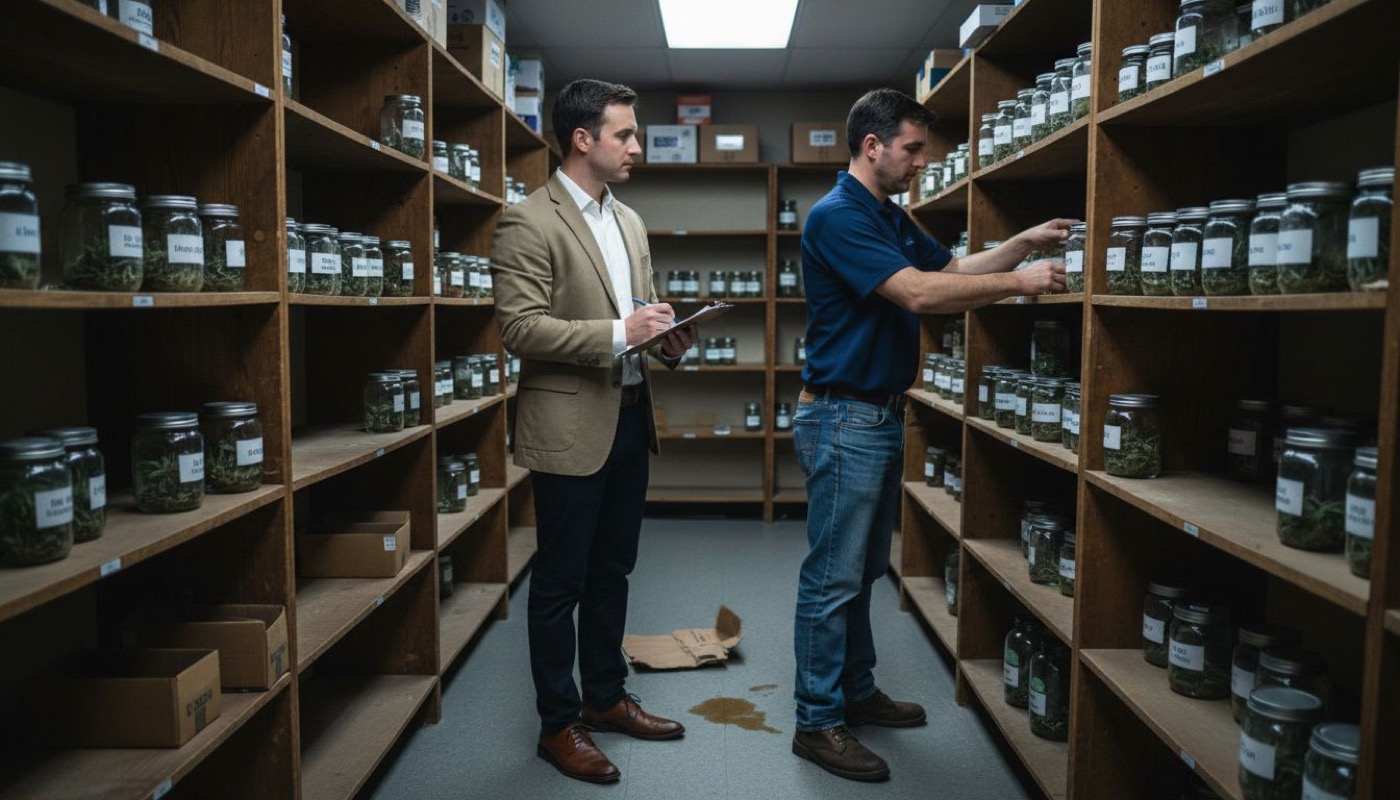
Cultivation licenses represent the foundational starting point for cannabis production, permitting businesses to grow and harvest cannabis plants. Manufacturing licenses enable the transformation of raw cannabis into various products like edibles, concentrates, and topicals. Distribution licenses control the critical transportation and logistics of cannabis products between licensed entities, ensuring regulatory compliance and product tracking. Retail licenses authorize direct sales to consumers, while testing licenses validate product safety and quality. Transportation licenses facilitate the legal movement of cannabis products across approved commercial channels.
Key considerations for obtaining cannabis licenses include:
- Extensive background checks
- Significant financial investments
- Strict regulatory compliance requirements
- Jurisdiction-specific operational restrictions
- Ongoing reporting and documentation obligations
Successful cannabis licensing demands a comprehensive understanding of these nuanced regulatory frameworks. Entrepreneurs must approach licensing as a complex, multifaceted process requiring strategic planning, financial preparedness, and unwavering commitment to legal and operational excellence.
State and Federal Cannabis Licensing Laws
The landscape of cannabis licensing represents a complex legal terrain characterized by significant disparities between state and federal regulations. State medical cannabis laws reveal a critical paradox: while 47 states have legalized medical cannabis in some form, the substance remains classified as a Schedule I controlled substance at the federal level, creating substantial legal uncertainties for businesses.
State-level cannabis licensing frameworks demonstrate remarkable diversity, with each jurisdiction implementing unique regulatory approaches. Local cannabis business regulations highlight the intricate interactions between state, county, and municipal authorities, where cities and counties can impose additional restrictions or complete prohibitions on cannabis businesses. This multi-layered regulatory environment demands that entrepreneurs navigate an extraordinarily complex compliance landscape.
The fundamental challenge of cannabis licensing stems from the fundamental disconnect between state and federal legal frameworks. Federal prohibition creates significant barriers for cannabis businesses, including restricted access to banking services, challenges with interstate commerce, and potential legal vulnerabilities. State-level licenses, while legally recognized within their jurisdictions, offer no protection against federal enforcement actions, creating a perpetual state of legal ambiguity for cannabis entrepreneurs.
Key considerations in state and federal cannabis licensing include:
- Ongoing legal uncertainty
- Varying regulatory requirements across jurisdictions
- Potential federal enforcement risks
- Complex banking and financial restrictions
- Necessity for comprehensive legal counsel
Successful navigation of cannabis licensing demands a sophisticated understanding of these nuanced legal frameworks. Entrepreneurs must remain adaptable, maintain rigorous compliance standards, and develop comprehensive strategies that anticipate potential regulatory shifts in this dynamic and evolving industry.
Steps for Obtaining Cannabis Licenses
Obtaining a cannabis license demands meticulous preparation and a comprehensive understanding of complex regulatory requirements. Cannabis license application procedures involve multiple intricate steps that require careful navigation, precision, and strategic planning across different jurisdictional frameworks.
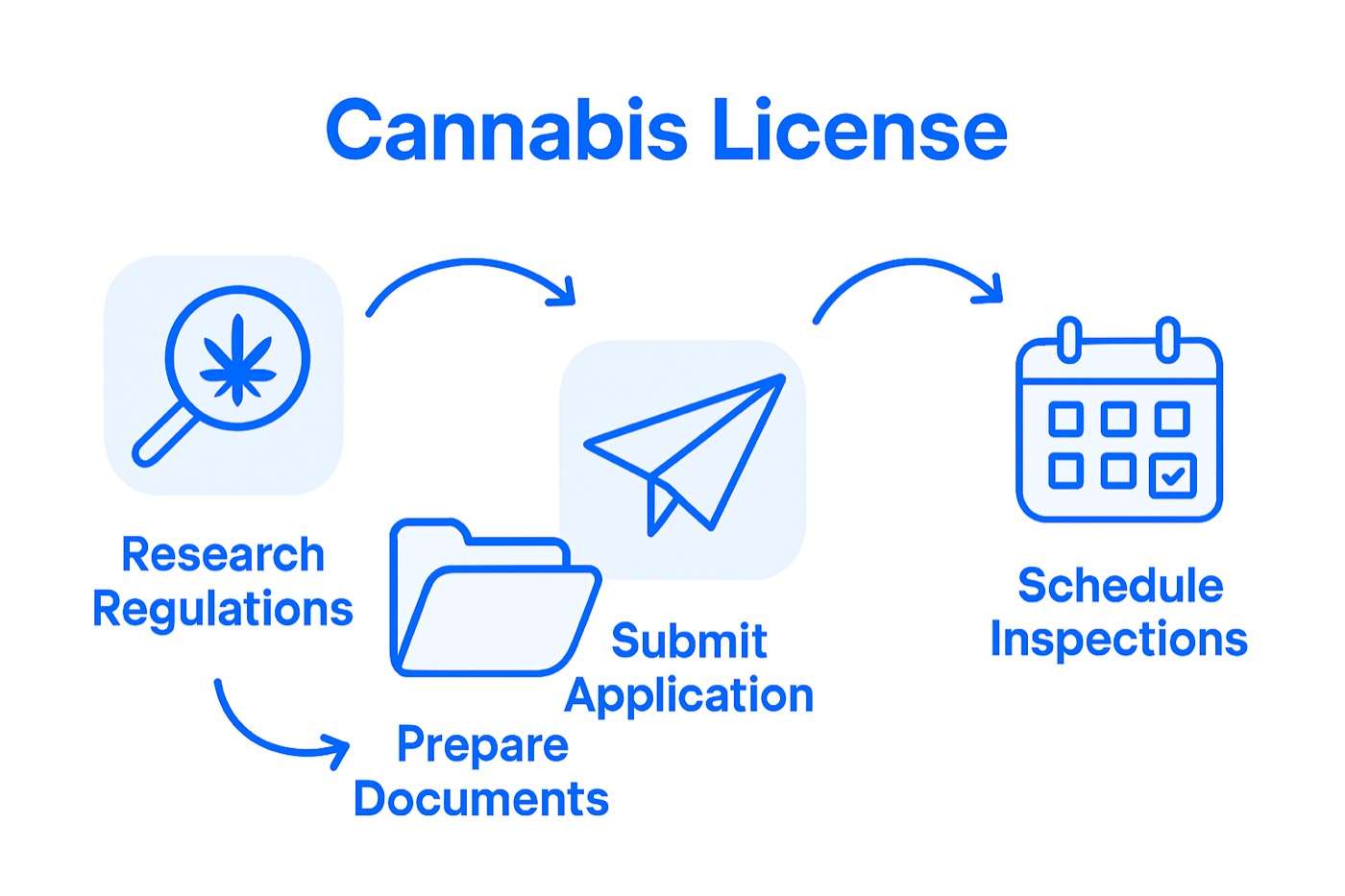
Initial preparation is crucial for successful cannabis licensing. Entrepreneurs must first conduct thorough research to determine the specific license type aligned with their business model. Local cannabis regulatory guidelines emphasize the importance of understanding both state and municipal requirements, which can vary significantly between jurisdictions. This preparatory phase involves comprehensive background checks, financial documentation, and detailed business plan development.
The application process typically encompasses several critical stages. Applicants must assemble a comprehensive documentation package including proof of financial stability, detailed business operations plans, comprehensive security protocols, and thorough compliance strategies. Background investigations are extensive, requiring clean criminal records and demonstrating substantial financial resources. Entrepreneurs must also prepare for significant application fees, which can range from several thousand to hundreds of thousands of dollars depending on the jurisdiction and license type.
Key steps in the cannabis licensing process include:
- Conducting thorough jurisdictional research
- Developing a comprehensive business plan
- Preparing extensive financial documentation
- Completing rigorous background investigations
- Demonstrating robust compliance and security protocols
- Submitting detailed application materials
- Participating in potential regulatory interviews
Successful cannabis licensing requires an unwavering commitment to regulatory compliance, meticulous attention to detail, and the financial and operational sophistication to navigate an exceptionally complex regulatory landscape. Entrepreneurs must approach the process as a comprehensive, multi-stage journey demanding patience, strategic planning, and significant professional expertise.
Compliance, Renewals, and Common Pitfalls
Cannabis licensing compliance represents a dynamic and complex regulatory challenge that demands continuous attention and strategic management. Cannabis business regulatory requirements emphasize the critical importance of maintaining strict adherence to both state and local regulations, with potential consequences ranging from financial penalties to complete license revocation.
Renewal processes for cannabis licenses are typically more intricate than initial applications, requiring businesses to demonstrate ongoing compliance, financial stability, and operational integrity. Entrepreneurs must maintain meticulous documentation, including comprehensive financial records, detailed operational logs, tax submissions, and proof of continued regulatory adherence. Successful renewals depend on demonstrating a consistent track record of regulatory compliance, clean background checks, and financial transparency.
Common pitfalls in cannabis licensing can derail even well-established businesses. These challenges often include inadequate record-keeping, failure to update compliance documentation, overlooking local regulatory changes, insufficient security protocols, and inconsistent financial reporting. Many businesses underestimate the complexity of maintaining continuous compliance, mistakenly believing that initial licensing represents a permanent operational status.
Key compliance and renewal considerations include:
- Maintaining comprehensive and current documentation
- Tracking regulatory changes at state and local levels
- Implementing robust internal compliance monitoring systems
- Conducting regular internal audits
- Ensuring financial transparency
- Updating security and operational protocols
- Proactively addressing potential compliance gaps
Successful cannabis businesses recognize that compliance is not a static achievement but an ongoing commitment. Entrepreneurs must develop adaptive strategies, invest in continuous education, and maintain a proactive approach to navigating the complex and evolving regulatory landscape of the cannabis industry.
Frequently Asked Questions
What is cannabis licensing?
Cannabis licensing is a regulatory process through which businesses receive permission to operate legally in the cannabis industry, encompassing various types of licenses specific to different functions such as cultivation, manufacturing, and retail.
How do federal and state cannabis licensing laws differ?
Federal and state cannabis licensing laws differ significantly, as cannabis remains classified as a Schedule I substance federally despite being legal in many states. This creates challenges related to compliance, banking, and potential legal risks for businesses operating under state licenses.
What are the key steps for obtaining a cannabis license?
The key steps involve conducting jurisdictional research, developing a comprehensive business plan, preparing extensive financial documentation, completing background investigations, and submitting detailed application materials, which may include regulatory interviews.
Why is ongoing compliance important for cannabis businesses?
Ongoing compliance is crucial as it helps cannabis businesses avoid penalties, maintain their licenses, and ensure operational integrity by keeping up with regulatory changes and demonstrating financial stability and adherence to safety protocols.
Recommended
- Dispensary Licensing Explained: Complete Compliance Guide – Cannabis Business Minds
- Why Tax Compliance Matters: Complete Cannabis Guide – Cannabis Business Minds
- How to Handle State Cannabis Taxes for Compliance – Cannabis Business Minds
- 7 Essential Cannabis Dispensary Compliance Tips for Success – Cannabis Business Minds
- Rehab for Marijuana Addiction in Glendora, CA
This article is general education, not tax, legal or accounting advice. Cannabis rules change quickly; confirm how they apply to you with a qualified cannabis CPA or attorney.