What Is Cannabis Compliance: Impact on U.S. Businesses

2026 update: what rescheduling changed for 280E (reviewed October 2026)
Effective April 22, 2026, a DOJ/DEA final order moved marijuana covered by a qualifying state medical license (and FDA-approved marijuana drugs) to Schedule III. Section 280E only applies to Schedule I and II substances, so state-licensed medical cannabis activity is generally no longer subject to 280E going forward. Adult-use cannabis remains in Schedule I and fully subject to 280E. The DEA proceeding to reschedule all marijuana was temporarily stayed in October 2026, and Treasury/IRS guidance on transition years and mixed medical/adult-use businesses is still pending.
This article was written before the order took effect. Check where your business stands in about a minute.
Most American cannabis businesses face stricter oversight than nearly any other industry, with more than half of states enforcing unique regulations that can change at a moment’s notice. For anyone involved in the rapidly growing cannabis sector, understanding compliance is no longer optional. Staying informed about evolving laws and best practices can mean the difference between steady growth and costly penalties in the complex American legal environment.
Key Takeaways
| Point | Details |
|---|---|
| Understanding Cannabis Compliance | Cannabis businesses must adhere to a complex framework of legal and regulatory requirements at both state and federal levels to ensure public safety and operational integrity. |
| Proactive Compliance Management | Establishing a dedicated compliance team or officer is crucial for navigating evolving regulations and minimizing risks of violations. |
| Financial Challenges and Compliance | Section 280E significantly impacts cannabis taxation, emphasizing the need for specialized tax strategies and comprehensive accounting practices. |
| Licensing and Inspection Processes | Navigating licensing requires detailed documentation and adherence to state-specific protocols, with inspections offering opportunities to correct compliance gaps. |
Defining Cannabis Compliance in the U.S.
Cannabis compliance represents a comprehensive framework of legal and regulatory requirements that cannabis businesses must navigate in the United States. At its core, cannabis compliance involves adhering to a complex set of state and federal regulations designed to ensure public safety, track product origins, maintain financial transparency, and prevent unauthorized distribution.
The regulatory landscape demands that cannabis businesses implement rigorous tracking systems, maintain detailed documentation, and follow strict operational protocols. Cannabis audit trail requirements play a critical role in this process, enabling regulators to monitor every stage of cannabis production, distribution, and sales. These comprehensive tracking mechanisms help prevent diversion, protect consumer interests, and maintain the integrity of the regulated cannabis market.
State-level cannabis management offices, like the Office of Cannabis Management (OCM), define compliance as more than just following rules. Cannabis licensing guidelines outline that businesses must proactively demonstrate their commitment to safety, ethical practices, and regulatory standards. This includes maintaining accurate records, conducting regular internal audits, training employees on compliance protocols, and ensuring all operational activities align with current legal frameworks.
Pro Tip: Establish a dedicated compliance team or officer within your organization who stays current with evolving regulations and can implement proactive monitoring systems to minimize potential regulatory risks and violations.
Types of Cannabis Compliance Requirements
Cannabis compliance requirements encompass a comprehensive range of legal, operational, and financial standards that businesses must meticulously follow. Regulatory requirements vary across different states but generally include several critical dimensions that ensure market integrity, public safety, and responsible business practices.
One of the most fundamental compliance requirements involves cannabis recordkeeping standards, which mandate detailed documentation of product movement, inventory management, and transactional records. These requirements typically include tracking product origins, quantities, sales, and transfers through sophisticated seed-to-sale monitoring systems that provide regulators with complete transparency into cannabis business operations.
The Office of Cannabis Management highlights several key compliance categories that businesses must address. These include environmental sustainability practices, robust tracking mechanisms, financial reporting, and adherence to strict trade practices. State regulations often require businesses to demonstrate comprehensive protocols for product testing, packaging standards, age verification, transportation documentation, and precise inventory control. Dispensary licensing guidelines further specify that businesses must maintain meticulous records and implement stringent operational protocols to maintain their legal standing.
Pro Tip: Develop a comprehensive compliance management system that centralizes all documentation, automates tracking processes, and provides real-time reporting capabilities to ensure consistent adherence to evolving regulatory requirements.
Key Laws Governing Cannabis Businesses
The legal landscape for cannabis businesses in the United States is complex and constantly evolving, with a web of federal, state, and local regulations that create significant challenges for industry operators. Federal law continues to classify cannabis as a Schedule I controlled substance, creating fundamental conflicts between state-level legalization efforts and national regulatory frameworks.

One of the most critical legislative proposals addressing these challenges is the SAFE Banking Act, which aims to provide essential protections for financial institutions serving cannabis businesses. This proposed legislation would resolve the significant banking challenges that have historically prevented cannabis companies from accessing traditional financial services, effectively preventing many businesses from establishing basic banking relationships, securing loans, or processing standard financial transactions.
Additionally, the Cannabis Administration and Opportunity Act represents a landmark potential reform that seeks to decriminalize cannabis at the federal level. This proposed bill would not only deschedule cannabis but also provide mechanisms for reinvestment in communities disproportionately impacted by previous drug enforcement policies. Tax compliance guidelines become particularly crucial under such potential legislative changes, as businesses must be prepared to navigate new regulatory requirements that could dramatically reshape the industry’s legal and financial landscape.
Pro Tip: Maintain a proactive legal strategy by establishing relationships with cannabis-specialized attorneys who can help your business stay ahead of rapidly changing legislative developments and potential regulatory shifts.
Here’s a quick comparison of federal and state cannabis regulations:
| Regulatory Area | Federal Rules | State Rules |
|---|---|---|
| Cannabis Legal Status | Classified as Schedule I drug | Legalized for medical or adult use in many states |
| Banking Access | Severely restricted for cannabis | Some allowances via state-chartered banks |
| Tax Deductions | Section 280E disallows most | State laws may allow deductions |
| Product Testing | Not standardized federally | State-specific safety and purity tests |
| Licensing Requirements | None for cannabis businesses | Mandatory and highly regulated |
Navigating Licensing and Registration Protocols
Licensing and registration represent critical gateways for cannabis businesses seeking legal operational status across different jurisdictions. Licensing protocols are intricate processes that require meticulous attention to detail, comprehensive documentation, and strict adherence to state-specific regulatory frameworks that can vary dramatically between different regions.
The cannabis compliance inspection process plays a crucial role in maintaining industry standards, with regulatory bodies conducting thorough audits to ensure businesses meet established guidelines. These inspections serve as more than punitive measures; they provide opportunities for businesses to correct potential compliance gaps and demonstrate their commitment to responsible operational practices. Dispensary licensing guidelines typically require businesses to submit detailed documentation including business plans, financial records, security protocols, inventory tracking systems, and comprehensive operational procedures.
Navigating licensing requirements demands a strategic approach that goes beyond simple form submission. Businesses must prepare extensive documentation that demonstrates their ability to meet rigorous regulatory standards, including detailed plans for seed-to-sale tracking, product safety protocols, employee training programs, and financial transparency mechanisms. Different states impose unique requirements, ranging from capital investment minimums and background checks to specific security infrastructure and community impact assessments.
Pro Tip: Create a dedicated compliance team or designate a compliance officer who can continuously monitor changing regulatory requirements and proactively update your licensing documentation to maintain ongoing operational eligibility.
Risks, Penalties, and Section 280E Impacts
Navigating the complex regulatory landscape of cannabis businesses involves understanding significant financial and legal risks, with Section 280E representing one of the most challenging federal tax provisions impacting the industry. This Internal Revenue Code section prohibits cannabis businesses from deducting standard business expenses, effectively creating an extraordinary tax burden that can consume up to 70% of a company’s gross income.
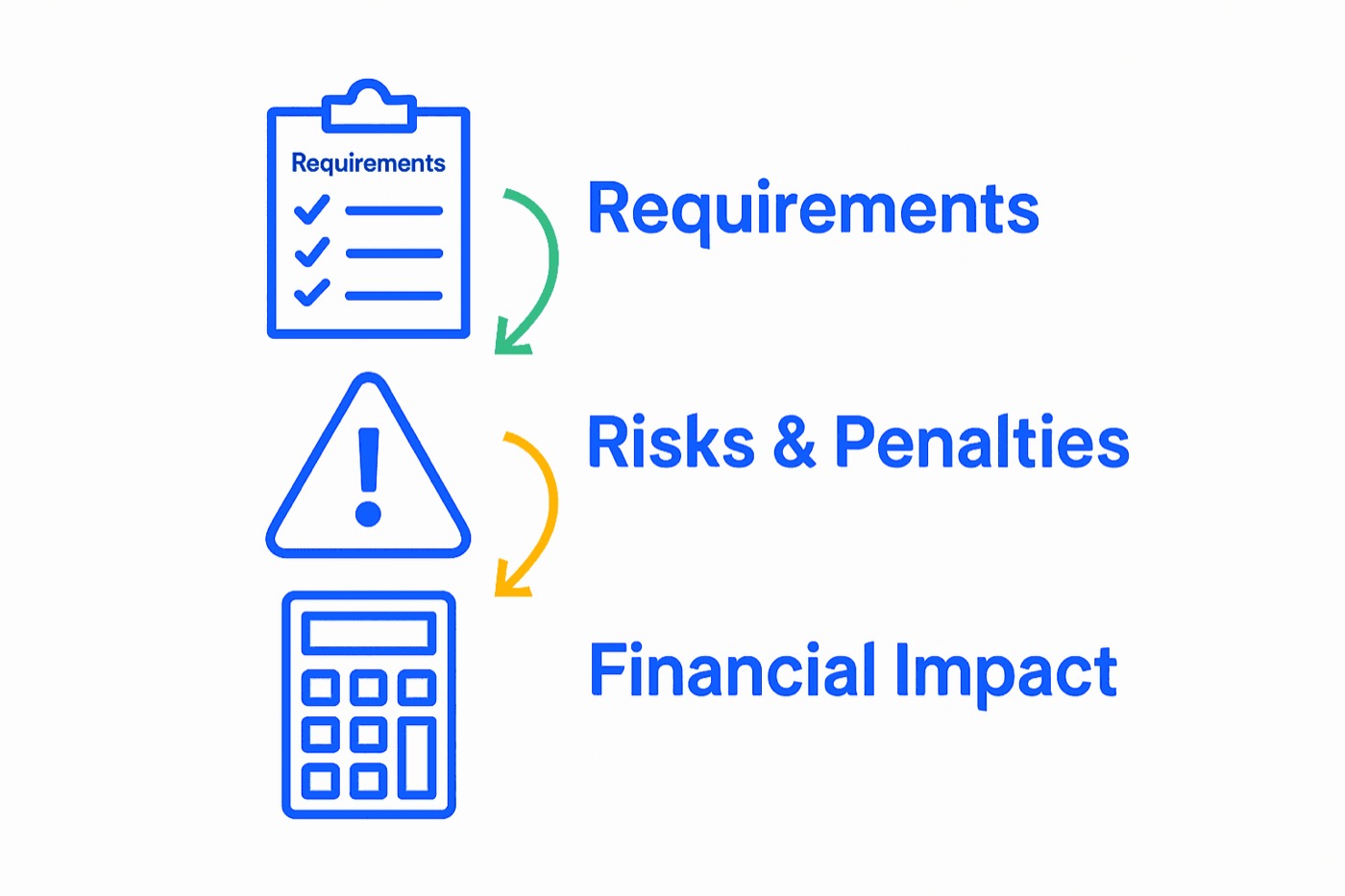
Marijuana reclassification efforts could potentially transform the industry’s financial constraints by allowing cannabis companies to claim typical business deductions. Current estimates suggest that top U.S. cannabis companies might save approximately $800 million annually if federal drug classification changes, presenting a potentially transformative opportunity for industry financial management. Tax compliance guidelines become critical in navigating these complex regulatory environments, requiring businesses to develop sophisticated accounting strategies that minimize potential penalties.
Penalties for non-compliance can be severe, ranging from substantial financial fines to potential license revocation and criminal charges. Businesses must implement comprehensive compliance programs that address multiple regulatory dimensions, including precise record-keeping, transparent financial reporting, strict inventory tracking, and rigorous adherence to state and federal guidelines. The risks extend beyond immediate financial penalties, potentially impacting a business’s long-term operational viability and reputation within the highly regulated cannabis marketplace.
Below is a summary of major compliance risks and their business impacts:
| Compliance Risk | Potential Impact on Business | Prevention Strategy |
|---|---|---|
| Inaccurate Recordkeeping | Fines, license loss, legal exposure | Implement automated tracking systems |
| Section 280E Violations | Excessive taxation and legal issues | Consult cannabis tax specialists |
| Failed Inspections | Business shutdown or delays | Conduct rigorous internal audits |
| Regulatory Changes | Sudden loss of compliance | Dedicated regulatory monitoring team |
Pro Tip: Develop a proactive compliance strategy that includes regular internal audits, specialized cannabis tax accounting expertise, and continuous education about evolving regulatory requirements to minimize potential financial and legal risks.
Frequently Asked Questions
What does cannabis compliance mean for businesses?
Cannabis compliance refers to the legal and regulatory requirements that cannabis businesses must follow to ensure public safety, track product origins, and maintain financial transparency. This framework includes state and federal regulations, record-keeping standards, and operational protocols.
What are the key requirements for cannabis compliance?
Key requirements for cannabis compliance include maintaining accurate records of inventory and transactions, implementing rigorous tracking systems, conducting internal audits, and adhering to specific product testing and packaging standards.
How does Section 280E affect cannabis businesses?
Section 280E prohibits cannabis businesses from deducting typical business expenses on their federal taxes, leading to a significant tax burden that can reduce a company’s gross income by up to 70%. This regulation creates a substantial financial challenge for cannabis operators.
What strategies can cannabis businesses implement to ensure compliance?
To ensure compliance, cannabis businesses should establish a dedicated compliance team, utilize automated tracking and record-keeping systems, conduct regular internal audits, and stay informed about evolving regulatory changes to maintain adherence to both state and federal laws.
Recommended
- Why Cannabis Tax Compliance Matters for U.S. Businesses – Cannabis Business Minds
- What Is Tax Compliance for Cannabis Businesses – Cannabis Business Minds
- Why Tax Compliance Matters: Complete Cannabis Guide – Cannabis Business Minds
- Cannabis Licensing Explained: Navigating U.S. Compliance – Cannabis Business Minds
This article is general education, not tax, legal or accounting advice. Cannabis rules change quickly; confirm how they apply to you with a qualified cannabis CPA or attorney.