How to Document Expenses for Cannabis: A Step-by-Step Guide

2026 update: what rescheduling changed for 280E (reviewed October 2026)
Effective April 22, 2026, a DOJ/DEA final order moved marijuana covered by a qualifying state medical license (and FDA-approved marijuana drugs) to Schedule III. Section 280E only applies to Schedule I and II substances, so state-licensed medical cannabis activity is generally no longer subject to 280E going forward. Adult-use cannabis remains in Schedule I and fully subject to 280E. The DEA proceeding to reschedule all marijuana was temporarily stayed in October 2026, and Treasury/IRS guidance on transition years and mixed medical/adult-use businesses is still pending.
This article was written before the order took effect. Check where your business stands in about a minute.
Most american cannabis business owners know how strict financial regulations can be but few realize that even a minor recordkeeping slip can lead to costly audits or lost deductions. With the cannabis industry under unique scrutiny, clear expense tracking becomes more than just paperwork, it is your safeguard. This practical guide uncovers step by step methods to help american operators build reliable documentation systems and protect profits while staying audit ready.
Quick Summary
| Key Point | Explanation |
|---|---|
| 1. Establish a dedicated expense tracking system | Create a tailored system for tracking expenses to enhance financial clarity and support strategic decisions in your cannabis business. |
| 2. Digitize all financial documents | Capture and securely store all invoices, receipts, and statements digitally for easy retrieval and compliance with record-keeping regulations. |
| 3. Accurately categorize expenses | Classify expenses correctly according to cannabis regulations to optimize tax deductions and maintain compliance with financial rules. |
| 4. Implement compliant accounting methods | Utilize accounting strategies that align with IRS regulations while maximizing allowable deductions to enhance financial health. |
| 5. Prepare for audits with proper record keeping | Develop a systematic approach to verifying and maintaining financial records to demonstrate compliance during potential audits. |
Step 1: Set Up a Dedicated Expense Tracking System
Building a robust expense tracking system is your foundation for financial clarity in your cannabis business. By creating a dedicated system, you will transform chaotic financial record keeping into a streamlined process that supports both compliance and strategic decision making.
Start by selecting accounting software specifically designed for cannabis businesses or with strong features for detailed expense categorization. Look for platforms that allow you to create custom expense categories relevant to cannabis operations like cultivation costs, dispensary inventory, compliance testing, packaging, and transportation. Tracking gross receipts and purchase prices becomes significantly easier with the right digital infrastructure.
Your tracking system should include digital folders for scanning and storing physical receipts, separate bank accounts for business transactions, and clear protocols for logging expenses immediately. Consider creating a standard digital template where you consistently record each expense with details like date, amount, vendor, category, and potential tax implications. Pro tip: Schedule weekly time blocks to update your expense records and reconcile transactions to prevent backlogs and maintain real time financial visibility.
As you set up this system, remember that meticulous documentation isn’t just about organization its about protecting your business financial health and ensuring you can maximize legitimate deductions when tax season arrives.
Step 2: Collect and Digitize All Supporting Documents
Building a bulletproof expense documentation system means capturing every financial detail with precision and converting physical records into secure digital archives. Your goal is to create an ironclad digital trail that protects your cannabis business and simplifies future financial reporting.

Start by creating a comprehensive scanning and organization workflow. Collect and digitize invoices, receipts, canceled checks, and bank statements with high resolution scans saved in multiple secure locations. Use a consistent file naming convention that includes date, vendor, and expense type so you can quickly retrieve documents. Consider using cloud storage solutions with robust security protocols and automatic backup features to ensure your financial records remain safe and accessible.
Establish a document retention strategy that goes beyond basic record keeping. Maintain financial documents for at least six years to comply with potential regulatory inspections and tax audits. Create separate digital folders for different expense categories like operational costs, inventory purchases, compliance expenditures, and equipment investments. Pro tip: Set up monthly reminder alerts to verify your digital filing system remains organized and all new documents are promptly scanned and categorized.
Remember that thorough documentation is your best defense in an industry with complex regulatory requirements. Your meticulous approach will not just protect your business it will provide clear financial insights that support strategic decision making.
Step 3: Categorize Expenses According to Cannabis Regulations
Categorizing expenses accurately is your financial shield in the complex cannabis industry regulatory landscape. Understanding how to properly classify your business expenditures will determine your tax liability and compliance status.
Licensed cannabis businesses have specific rules for expense deductions, making precise categorization critical. Break down your expenses into key categories like cost of goods sold (COGS), operational expenses, compliance costs, marketing, cultivation inputs, packaging, transportation, and testing. Your cannabis expense tracking strategy should distinguish between deductible and non-deductible expenses based on federal and state regulations.
Pay special attention to Section 280E restrictions, which limit deductions for businesses dealing with federally illegal substances. This means you can only deduct COGS and a narrow range of operational expenses directly connected to product production. Develop a systematic approach where each expense is meticulously documented with clear justification for its category. Create a color coded or tag based system in your accounting software to quickly identify which expenses are fully deductible, partially deductible, or non deductible.
Remember that your expense categorization is not just an accounting exercise its a strategic financial management tool that can significantly impact your business profitability and tax strategy.
Step 4: Apply Accounting Methods for 280E and IRC 471 Compliance
Navigating the complex financial regulations for cannabis businesses requires a strategic approach to accounting that balances compliance with financial optimization. Your goal is to develop an accounting methodology that maximizes your allowable deductions while strictly adhering to federal tax restrictions.
Cannabis businesses face significant challenges under federal financial regulations, particularly with IRC Section 280E. Licensed cannabis businesses have specific rules for expense deductions, which means you must meticulously track and allocate expenses. Focus on accurately calculating your cost of goods sold (COGS), as this is typically the primary method for reducing your taxable income. Separate your plant touching activities from ancillary business operations to maximize potential deductions.
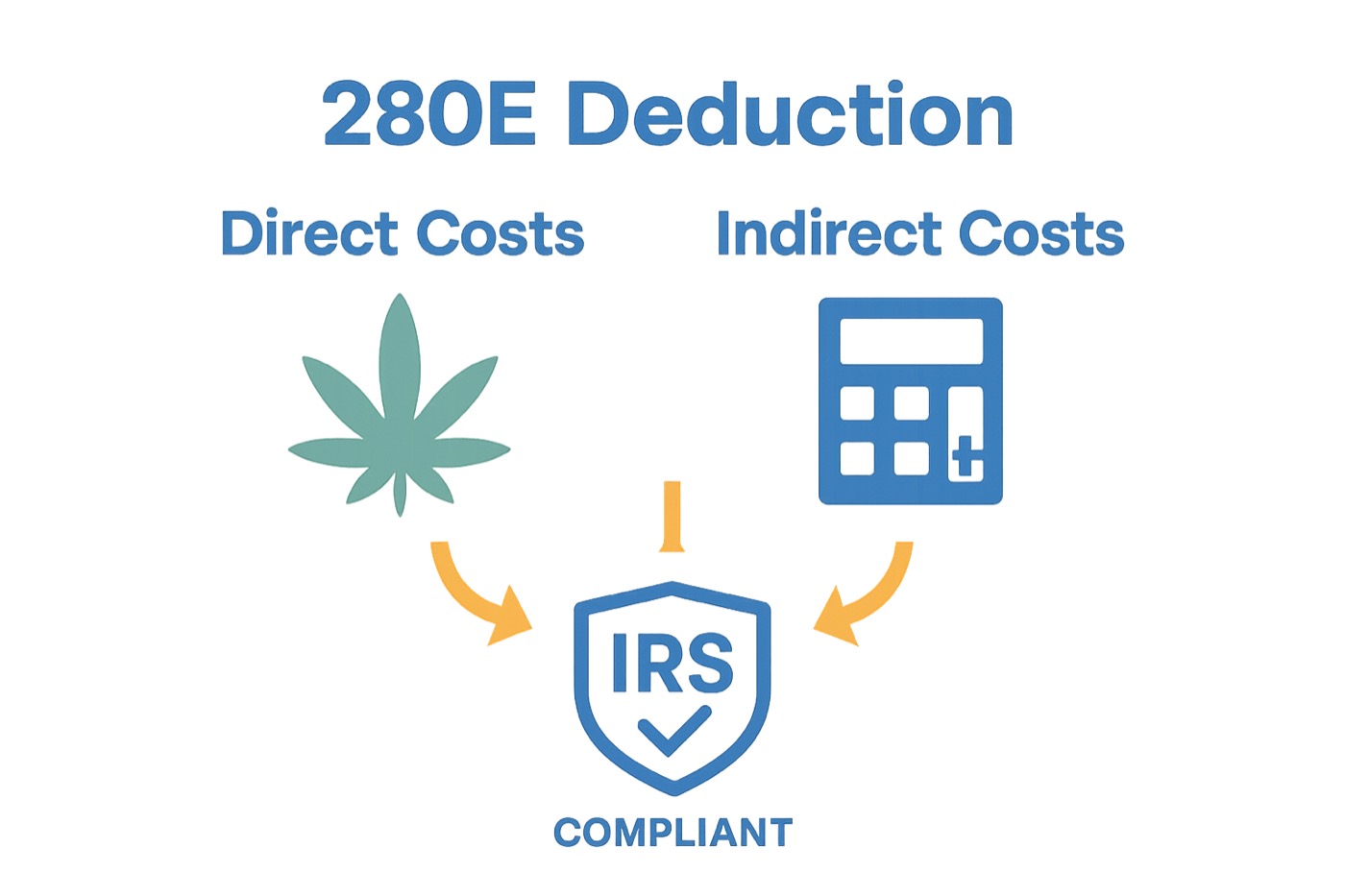
Implement a robust allocation method that carefully distinguishes between direct and indirect costs. Direct costs like cultivation supplies, direct labor, and packaging can be included in COGS, while indirect costs require more nuanced treatment. Understanding IRC 471 accounting principles will help you develop a systematic approach to expense categorization. Create detailed workpapers that document your allocation methodology, ensuring you can defend your calculations if audited.
Remember that compliance is not just about minimizing tax liability its about building a sustainable financial strategy that protects your cannabis business from potential regulatory scrutiny.
Step 5: Verify Records and Prepare for Audits
Preparing your cannabis business for potential audits requires a proactive and systematic approach to financial documentation. Your goal is to create an impenetrable record keeping system that demonstrates transparency and compliance at every turn.
Maintaining accurate records is critical for cannabis businesses, particularly when it comes to documenting invoices and contracts. Develop a comprehensive verification process that includes quarterly internal audits where you systematically review every financial document. Cross reference your expense records with bank statements, purchase orders, vendor invoices, and internal transaction logs. Understanding the nuances of cannabis recordkeeping requirements will help you build a robust documentation strategy.
Create a standard operating procedure for record verification that includes multiple layers of review. This means establishing checkpoints where financial records are examined by different team members to catch potential discrepancies. Implement digital backup systems that store documents in secure cloud platforms with multiple authentication layers. Pro tip: Maintain both digital and physical copies of critical financial documents and store them in separate secure locations to protect against potential data loss.
Remember that audit preparedness is not about perfection its about demonstrating a consistent, methodical approach to financial management that shows your commitment to regulatory compliance.
Frequently Asked Questions
How can I set up an expense tracking system for my cannabis business?
Creating a dedicated expense tracking system involves selecting suitable accounting software tailored to cannabis operations. Begin by categorizing your expenses into relevant groups, like cultivation costs and compliance testing, and establish a routine for logging every expense immediately.
What documents do I need to collect and digitize for my cannabis business expenses?
You should collect and digitize all financial documents that support your expenses, including invoices, receipts, and bank statements. Make it a practice to scan these documents as soon as you receive them and store them in a secure, organized digital format to ensure easy retrieval later.
How should I categorize my expenses in compliance with cannabis regulations?
Accurately categorize your expenses by breaking them down into groups such as operational costs, cost of goods sold (COGS), and compliance expenses. Create a tagging system in your accounting software to easily identify which expenses are fully deductible, partially deductible, or non-deductible according to regulatory guidelines.
What accounting methods can help with compliance under IRC Section 280E?
To comply with IRC Section 280E, focus on implementing an accounting method that accurately distinguishes between direct and indirect costs. Develop a plan to calculate your cost of goods sold (COGS), ensuring you properly allocate expenses to maximize deductions related to your cannabis business.
How can I prepare for potential audits of my cannabis business?
Prepare for potential audits by maintaining a comprehensive and systematic documentation approach. Conduct quarterly internal audits, verify your financial records against various transaction logs, and ensure you have both digital and physical backups of all necessary documents to demonstrate thorough compliance and transparency.
What should I do if my expense documentation is not organized?
If your expense documentation is disorganized, start by reviewing and scanning all current physical documents, then categorize them methodically in your digital filing system. Set monthly reminders to maintain this organization and prevent future backlogs, ensuring everything is filed within 30 days of receipt.
Recommended
- Cannabis Expense Categories Explained: Tax and Compliance – Cannabis Business Minds
- 7 Steps to a Cannabis Financial Reporting Checklist Success – Cannabis Business Minds
- Cannabis Financial Reporting Guide for Full Compliance Success – Cannabis Business Minds
- 7 Essential Cannabis Bookkeeping Best Practices for Success – Cannabis Business Minds
This article is general education, not tax, legal or accounting advice. Cannabis rules change quickly; confirm how they apply to you with a qualified cannabis CPA or attorney.