Tracing Funds in Cannabis Business Compliance

2026 update: what rescheduling changed for 280E (reviewed October 2026)
Effective April 22, 2026, a DOJ/DEA final order moved marijuana covered by a qualifying state medical license (and FDA-approved marijuana drugs) to Schedule III. Section 280E only applies to Schedule I and II substances, so state-licensed medical cannabis activity is generally no longer subject to 280E going forward. Adult-use cannabis remains in Schedule I and fully subject to 280E. The DEA proceeding to reschedule all marijuana was temporarily stayed in October 2026, and Treasury/IRS guidance on transition years and mixed medical/adult-use businesses is still pending.
This article was written before the order took effect. Check where your business stands in about a minute.
Over 80 percent of American cannabis businesses face strict scrutiny from federal regulators each year. As the legal landscape remains complex, financial traceability becomes more than just good accounting. Without airtight fund tracing, American cannabis operators risk penalties that can threaten an entire business. This guide uncovers how rigorous documentation and regulatory compliance are transforming the way entrepreneurs in the American cannabis industry manage their revenue and protect their future.
Key Takeaways
| Point | Details |
|---|---|
| Fund Tracing Importance | Fund tracing is critical for cannabis businesses to ensure financial integrity and compliance with regulatory standards, especially under Section 280E. |
| Sophisticated Tracking Systems | Implement advanced accounting software and robust financial tracking systems to manage complex transactions effectively. |
| Legal Compliance Requirements | Maintain meticulous documentation of financial transactions for at least seven years to meet IRS regulations and avoid penalties. |
| Risks of Poor Compliance | Inadequate fund tracing can result in severe financial penalties, aggressive audits, and potential legal actions against the business. |
Defining Fund Tracing in Cannabis Business
Fund tracing in cannabis businesses represents a critical financial management strategy that enables precise tracking of monetary transactions through complex regulatory landscapes. Unlike standard accounting practices, cannabis fund tracing demands extraordinary scrutiny due to the industry’s unique legal constraints and federal taxation challenges. Fund tracing essentially involves systematically documenting the origin, movement, and destination of every financial transaction within a cannabis enterprise.
The process becomes particularly complex when considering taxation implications under Section 280E of the Internal Revenue Code. This federal regulation significantly impacts how cannabis businesses must document their financial flows, requiring meticulous record-keeping that goes beyond traditional business accounting standards. Cannabis operators must create comprehensive audit trails that demonstrate the legitimacy and transparency of each financial transaction, tracking funds from initial investment through operational expenses and revenue generation.
Effective fund tracing in cannabis businesses involves multiple strategic components:
- Establishing robust financial tracking systems
- Maintaining granular transaction documentation
- Separating operational expenses by distinct business categories
- Creating clear separation between plant-touching and ancillary activities
- Implementing sophisticated accounting software designed for regulatory compliance
The ultimate goal of fund tracing transcends simple bookkeeping. It serves as a critical defense mechanism against potential federal scrutiny, helping cannabis businesses demonstrate financial integrity and regulatory adherence. By implementing rigorous fund tracing protocols, organizations can protect themselves from potential audits, minimize tax liabilities, and create a transparent financial narrative that withstands intense regulatory examination.
Methods and Tools for Tracking Cannabis Revenue
Tracking cannabis revenue requires sophisticated approaches that go beyond standard financial management techniques. Cannabis businesses must implement robust systems capable of capturing complex financial transactions while maintaining strict regulatory compliance with IRS enforcement guidelines. Revenue tracking in this industry demands precision, transparency, and comprehensive documentation to navigate the intricate legal landscape.
Modern cannabis businesses leverage specialized technological solutions to manage their financial tracking requirements. These tools typically include integrated software platforms designed specifically for cannabis operations, which can simultaneously monitor sales, inventory, tax obligations, and regulatory reporting. Key features of advanced revenue tracking systems include real-time transaction monitoring, automated compliance reporting, detailed audit trail generation, and secure data management protocols that protect sensitive financial information.
Effective revenue tracking methods for cannabis businesses encompass several critical strategies:
- Implementing enterprise-level cannabis-specific accounting software
- Establishing multi-layer transaction verification processes
- Creating comprehensive digital and physical documentation trails
- Integrating point-of-sale systems with financial reporting platforms
- Developing standardized internal financial review protocols
Successful revenue tracking extends beyond mere number crunching. It represents a strategic defense mechanism that helps cannabis businesses demonstrate financial integrity, minimize potential tax liabilities, and create transparent financial narratives that can withstand intense regulatory scrutiny. By adopting sophisticated tracking methodologies, cannabis enterprises can transform complex financial management into a competitive advantage that ensures long-term operational sustainability.
Legal Requirements for Fund Traceability
Fund traceability in cannabis businesses represents a complex legal landscape governed by stringent federal regulations that demand extraordinary financial transparency. Specific legal obligations outlined in IRS guidance require cannabis businesses to maintain meticulous documentation of every financial transaction, creating an unbroken chain of monetary accountability. Legal traceability goes far beyond traditional accounting practices, serving as a critical mechanism for demonstrating compliance with intricate federal tax and regulatory frameworks.
The legal requirements for fund traceability stem primarily from Section 280E of the Internal Revenue Code, which imposes unique constraints on cannabis businesses. These regulations mandate that organizations create comprehensive financial records that can withstand intense regulatory scrutiny, tracking funds from initial investment through operational expenses and revenue generation. Cannabis enterprises must develop robust documentation systems that not only record transactions but also provide clear, auditable evidence of the financial flow within their operations.
Key legal requirements for fund traceability include:
- Maintaining detailed transaction records for a minimum of seven years
- Documenting the precise origin of all funds entering the business
- Creating separate accounting streams for plant-touching and ancillary activities
- Generating comprehensive financial reports that demonstrate regulatory compliance
- Implementing secure digital and physical record-keeping systems
- Preparing documentation that can withstand potential federal audit processes
Successful fund traceability is more than a legal obligation. It represents a strategic approach to financial management that protects cannabis businesses from potential regulatory penalties, tax complications, and legal challenges. By developing rigorous traceability protocols, organizations can transform complex legal requirements into a competitive advantage, demonstrating financial integrity and operational excellence in one of the most highly regulated industries in the United States.
IRS Regulations and Section 280E Impacts
Comprehensive taxation challenges faced by medical cannabis businesses reveal the complex regulatory landscape created by Section 280E of the Internal Revenue Code. This federal regulation represents a unique and punitive tax framework specifically targeting cannabis enterprises, fundamentally restricting their ability to claim standard business deductions. Section 280E effectively treats cannabis businesses as illegal drug trafficking operations under federal law, imposing extraordinary financial constraints that dramatically impact their operational and financial strategies.
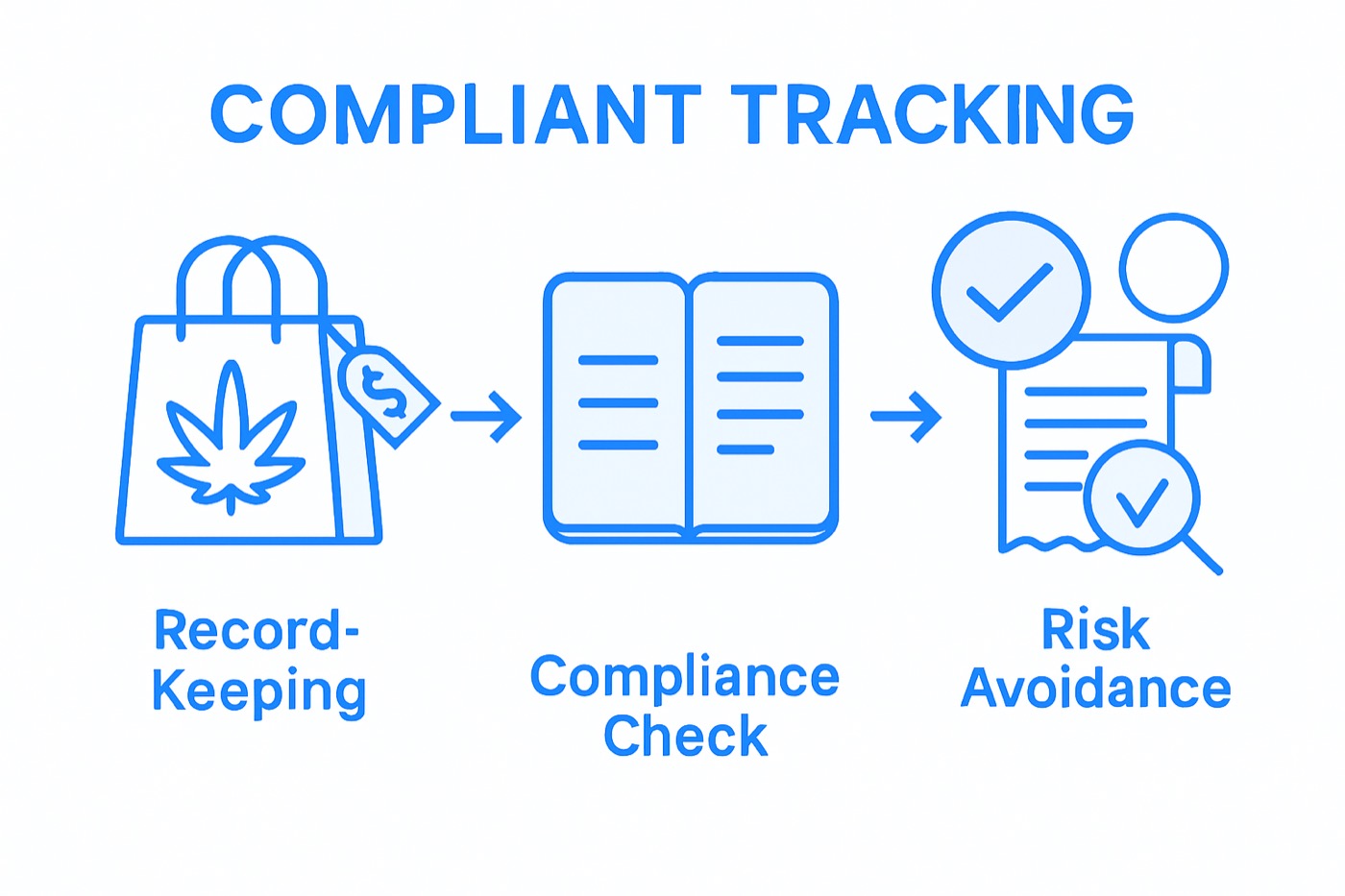
The core impact of Section 280E lies in its prohibition of standard business expense deductions for cannabis companies. Unlike traditional businesses, cannabis enterprises can only deduct the direct cost of goods sold (COGS), preventing them from writing off essential operational expenses such as marketing, administrative salaries, and general overhead costs. This regulatory approach creates a significantly higher effective tax rate for cannabis businesses, often resulting in tax liabilities that can consume 70-90% of their gross income, compared to typical corporate tax rates of 21-35%.
Key implications of Section 280E for cannabis businesses include:
- Mandatory tracking of precise cost of goods sold (COGS)
- Elimination of standard business expense deductions
- Increased complexity in financial reporting and accounting
- Higher effective tax rates compared to other industries
- Requirement for sophisticated financial documentation
- Potential for substantial tax penalties without meticulous compliance
Navigation of Section 280E demands a strategic approach that goes beyond traditional tax planning. Successful cannabis businesses must develop comprehensive financial strategies that maximize allowable COGS deductions, implement rigorous accounting practices, and create clear separation between plant-touching and ancillary business activities. By understanding and proactively addressing the unique challenges posed by Section 280E, cannabis enterprises can develop resilient financial models that mitigate tax burdens and ensure long-term operational sustainability.
Risks of Poor Fund Tracing and Penalties
Key enforcement challenges facing cannabis businesses underscore the critical importance of maintaining precise financial documentation. Poor fund tracing in cannabis operations can trigger catastrophic legal and financial consequences that extend far beyond simple regulatory compliance. Fund tracing risks represent a multifaceted threat to business survival, potentially exposing organizations to severe penalties, aggressive tax audits, and potentially devastating legal actions.
The financial penalties for inadequate fund tracing can be extraordinarily punitive. Cannabis businesses may face substantial monetary sanctions, including backdated tax assessments, interest charges, and significant civil penalties that can range from 20% to 75% of total unreported income. These penalties are not merely financial inconveniences but existential threats that can rapidly consume a business’s entire profit margin, potentially forcing immediate operational shutdown or bankruptcy.
Critical risks associated with poor fund tracing include:
- Potential for comprehensive IRS tax audits
- Substantial monetary penalties and interest assessments
- Potential criminal tax fraud investigations
- Permanent loss of business licensing
- Complete forfeiture of business assets
- Permanent prohibition from future cannabis industry participation
Navigating the complex regulatory landscape requires more than passive compliance. Successful cannabis businesses must proactively develop robust financial tracking systems that create transparent, defensible documentation of every financial transaction. By implementing comprehensive fund tracing protocols, organizations can transform potential regulatory vulnerability into a strategic advantage, demonstrating financial integrity and operational excellence in one of the most scrutinized industries in the United States.
Frequently Asked Questions
What is fund tracing in cannabis businesses?
Fund tracing in cannabis businesses is the systematic documentation of the origin, movement, and destination of financial transactions within a cannabis enterprise, focusing on compliance with legal and tax regulations.
Why is fund tracing important for cannabis businesses?
Fund tracing is crucial for cannabis businesses as it ensures financial integrity, minimizes tax liabilities, and creates a transparent financial narrative that can withstand regulatory scrutiny, especially under the challenging regulations imposed by Section 280E.
What are the legal requirements for fund traceability in cannabis?
Legal requirements for fund traceability in cannabis include maintaining detailed transaction records for at least seven years, documenting the origin of funds, and creating separate accounting streams for plant-touching and ancillary activities to comply with federal tax regulations.
What are the risks of poor fund tracing in cannabis businesses?
Poor fund tracing can lead to severe penalties, including substantial monetary fines, potential criminal investigations, loss of business licensing, and the possibility of complete forfeiture of business assets, making it essential for compliance and operational sustainability.
Recommended
- Cannabis Audit Trail Explained: Compliance Essentials – Cannabis Business Minds
- Cannabis Audit Trails: Ensuring Compliance in U.S. Operations – Cannabis Business Minds
- Understanding Cannabis Recordkeeping Requirements – Cannabis Business Minds
- How to Document Expenses for Cannabis: A Step-by-Step Guide – Cannabis Business Minds
- Cannabis Shipping Laws 2025: Complete Guide – California Blendz
This article is general education, not tax, legal or accounting advice. Cannabis rules change quickly; confirm how they apply to you with a qualified cannabis CPA or attorney.